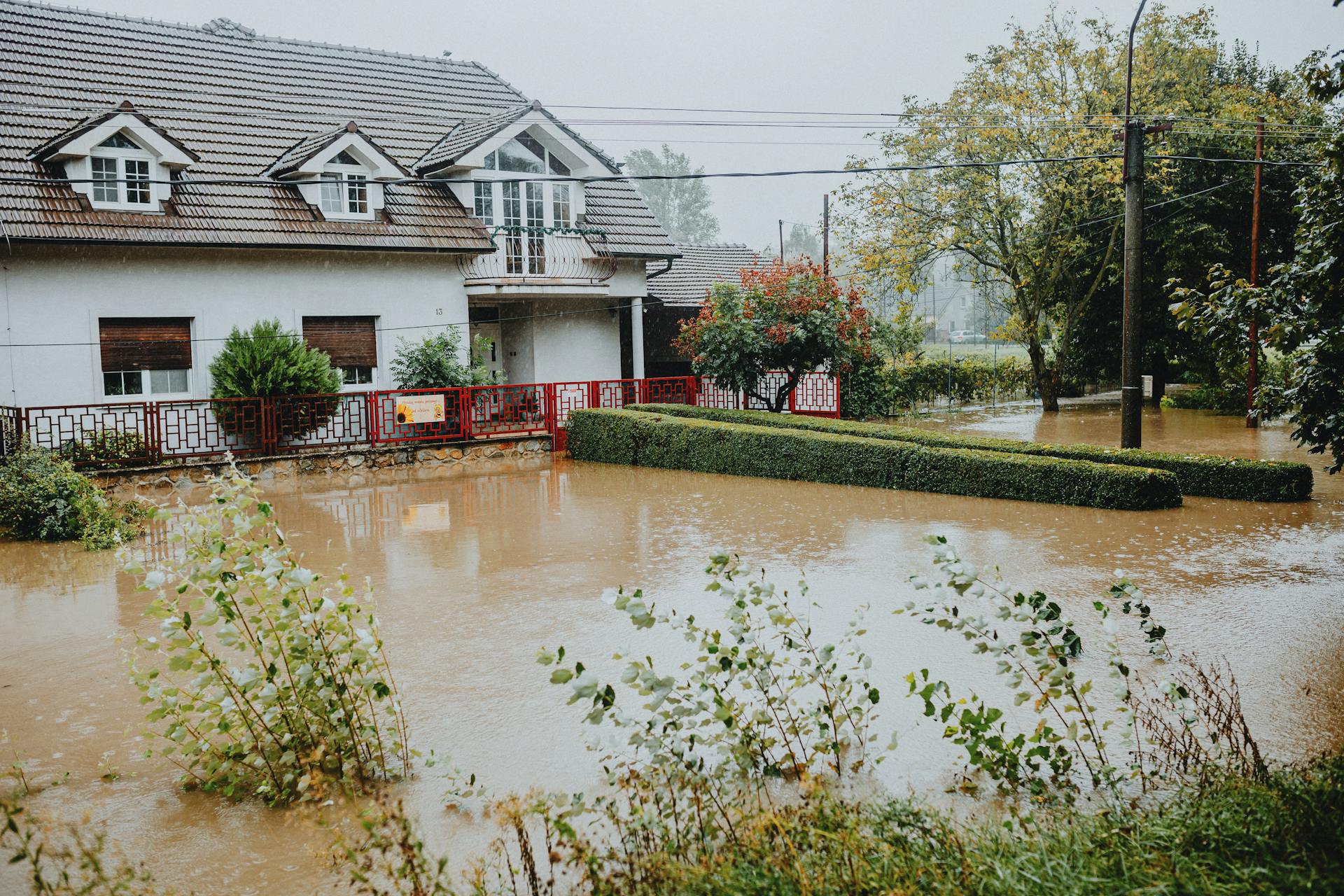
Water damage doesn’t end when the water dries. Mold can begin growing within just 24–48 hours, spreading silently and creating serious health and structural risks. Many homeowners don’t realize how dangerous post-flood mold can be.
Mold Grows Fast and Spreads Quickly
Once moisture enters walls, carpets, flooring, or insulation, mold spores activate and multiply rapidly. The longer moisture sits, the more extensive (and expensive) the damage becomes.
Mold Can Cause Serious Health Issues
Common symptoms include:
- Allergies
- Breathing difficulties
- Headaches
- Skin irritation
- Worsening asthma
Children, seniors, and those with weakened immune systems are especially vulnerable.
Mold Weakens the Structure of a Home
Mold can break down wood, drywall, insulation, and even structural framing. Left untreated, it can compromise the safety of the building.
DIY Cleanup Can Make Mold Worse
Improper cleaning spreads spores to other areas. Professional mold remediation includes containment, HEPA filtration, and safe removal techniques.
Prevention Starts With Quick Action
The best way to stop mold is to address water damage immediately:
- Extract water
- Thoroughly dry the area
- Remove wet materials
- Use professional dehumidification
Final Thoughts
Mold after water damage is more dangerous than it looks. Professional remediation protects your health, home, and long-term safety.